


Some receptions feel alive from the moment guests walk in. The room hums. The dance floor fills early and stays full. Guests are relaxed, present, genuinely celebratory. Others never quite reach that register — despite beautiful settings, considerable budgets, and good intentions. The difference is rarely about the scale of the event or the quality of the décor. It’s almost always about a set of specific, plannable decisions that either create momentum or quietly work against it. Understanding what those decisions are — and making them with intention — is what allows couples to plan a wedding reception that genuinely feels the way they envisioned.
Reception Energy Is Designed, Not Accidental
The feeling of a great reception is the downstream result of decisions made months in advance. The entertainment choice. The timeline structure. The food service format and timing. The level of hospitality at each transition. None of these happen by default — they are either thought through deliberately or left to chance.
Couples who plan their reception with energy in mind — who ask not just ‘what do we want to happen?’ but ‘how do we want the room to feel?’ — tend to produce evenings that guests describe as exceptional, often without being able to name exactly why.
The feeling of a reception is plannable. It begins with asking the right question.
Entertainment: The Single Highest-Impact Reception Decision
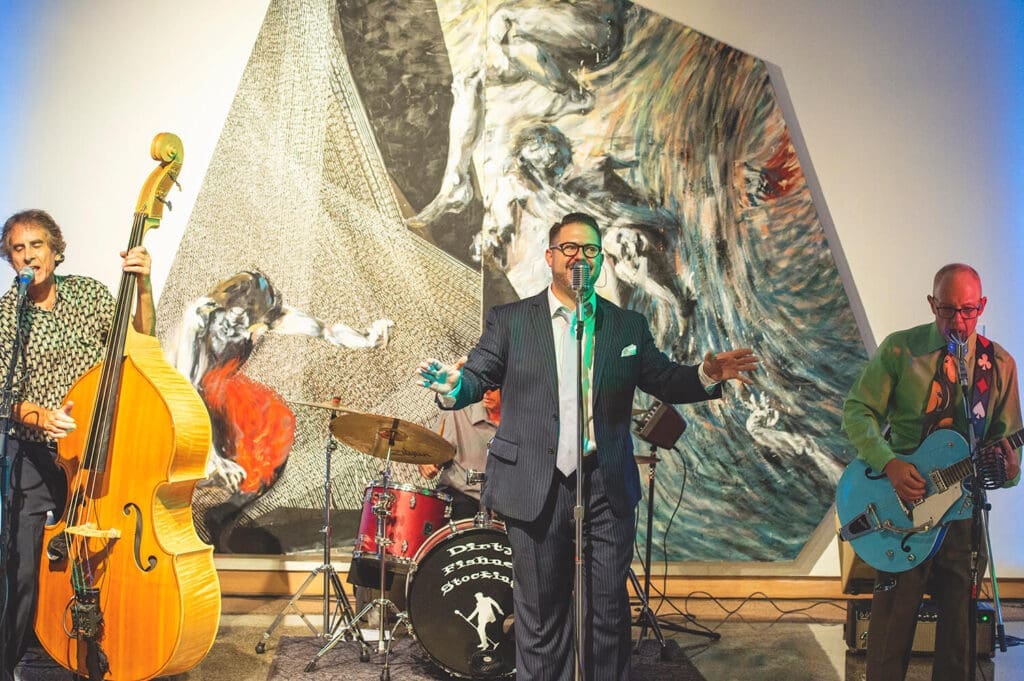
If there is one reception vendor whose quality has the most direct, visible impact on the experience of the evening, it is the DJ or band.
A skilled entertainment professional doesn’t just play music. They manage the room — reading when to build energy, when to slow down, how to navigate the transition from dinner to dancing, how to handle an empty dance floor at 9 PM without losing the evening. They work with the couple and coordinator to keep formalities moving without dragging. They know when the room is ready for the first dance and when it isn’t.
The difference between a DJ who does these things well and one who doesn’t is one of the most clearly felt differences in the entire event. Guests may not be able to articulate it. But they feel it — in whether they danced, in whether the evening felt alive, in whether they left early or stayed until the last song.
This is a vendor category worth researching carefully, meeting with in person, and investing in adequately. The rest of the evening lives around this decision.
Timeline Momentum: Why Flow Matters as Much as Content
A reception with all the right elements can still feel stalled if the timeline doesn’t move well. Long gaps between the end of dinner and the first dance. Speeches that extend beyond their natural endpoint.
Transitions between formalities that leave guests uncertain where to be or what’s happening next.
Each of these pauses is small individually. Together, they accumulate into an evening that feels like it never quite found its rhythm.
Building a timeline that moves intentionally — with your coordinator, DJ, or planner managing transitions — is one of the highest-value investments in reception planning. It doesn’t require additional budget. It requires attention and a coordinator who understands pacing.
- Build a realistic timeline and stick to it
- Give speeches a maximum time and communicate it clearly
- Use your DJ or emcee to bridge transitions actively rather than passively
- Build buffer time into the schedule — rushing creates the same stalled energy as gaps
- Know which formalities matter most to you and give those the most space
Food Timing and the Energy of the Room
There is a direct relationship between how guests are fed and how the room feels. A room full of guests who have been waiting for food for an hour and a half is a restless room. A room where guests have been well fed and the timing was smooth is a room that’s ready to celebrate.
The service format — plated, buffet, family style, stations — matters less than the timing and quality. Whatever format you choose, the goal is that guests are eating substantial food within about 90 minutes of arriving at the reception. After that threshold, energy begins to flag.
Hungry guests are restless guests. Well-fed guests are ready to celebrate.
Cocktail hour snacks help bridge the gap between ceremony and dinner, but they don’t replace the main meal. Plan the food service timeline with the same intentionality you give to the rest of the evening.
Open Bar: A Hospitality Decision
The open bar question carries a lot of weight in wedding planning — financially, logistically, and culturally. Framing it as a hospitality decision, rather than just a cost question, tends to clarify how much weight to give it.
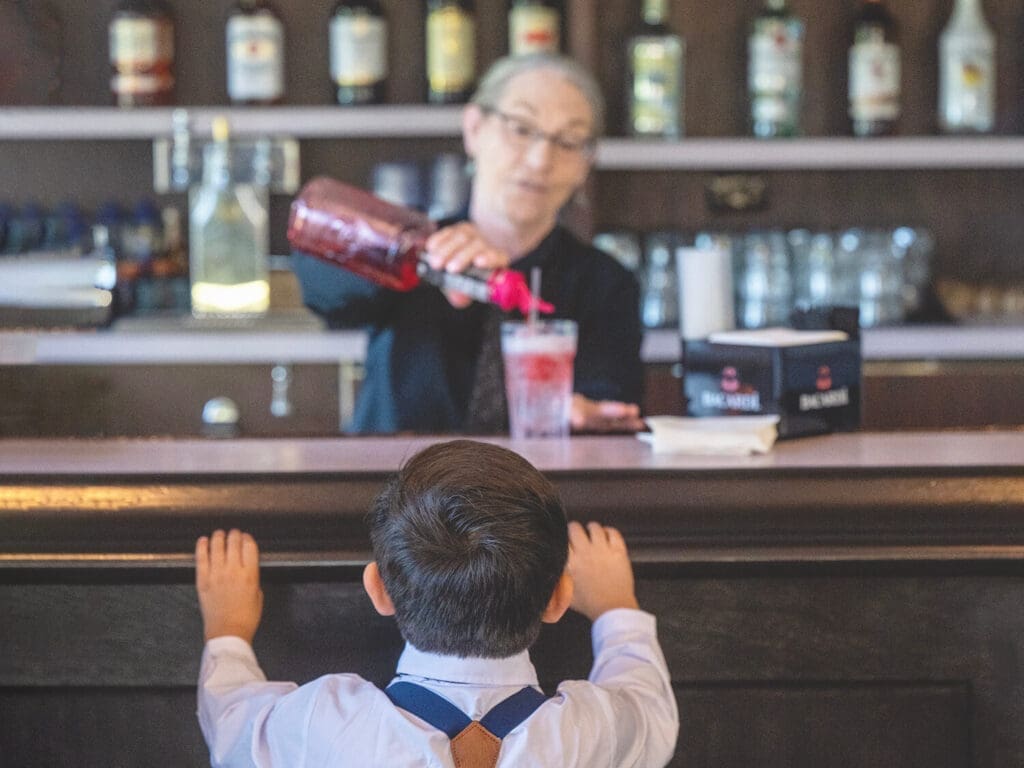
Access to drinks throughout the evening helps guests feel welcomed, relaxed, and social — all of which contribute to the overall energy of the room. Guests who feel well hosted tend to be more present and more celebratory.
An open bar is a significant budget commitment. Whether it’s the right commitment depends on the couple’s priorities and the overall experience they’re trying to create. Some couples find alternatives — a beer and wine bar, a signature cocktail hour followed by wine with dinner — that balance hospitality and budget effectively.
The question worth asking is not ‘can we afford an open bar’ but ‘what does this choice mean for the experience of our guests?’ That framing helps make the decision more intentionally.
Presence vs. Performance: Planning for the Second One
There is a kind of reception that is technically excellent and emotionally distant, and a kind that is genuinely alive. The difference is almost always about whether the couple — and by extension, their guests — are actually present with each other, or whether the evening is primarily about hitting marks.
Planning for presence doesn’t mean abandoning structure. It means building structure that serves connection rather than performance. A timeline that has room to breathe. Formalities chosen because they’re meaningful, not because they fill time. A coordinator who handles logistics so the couple can be with their guests. Entertainment that reads the room rather than running a fixed program.
The most memorable receptions are almost never the most elaborate ones. They are the ones where the people in the room were genuinely, fully there.



+ show Comments
- Hide Comments
add a comment