


Y’all, let’s just get straight to it — weddings are stupid expensive. The average traditional US wedding now costs $35,000. Once you get over the initial shock (take your time, I’ll wait), the very first thing you need to do is establish a total budget. Not a vibe. Not a range. A real number. Because that number? It sets the entire tone of your planning process. Every vendor you contact, every venue you fall in love with, every decision you make moving forward — it all flows from this one conversation. And I know, I know — the money talk is not exactly a Pinterest-worthy planning moment. But consider this your permission to skip the fun stuff for just a second and do the thing that actually makes everything else possible.
Why Your Budget Is the Single Most Important Wedding Decision
Here’s the truth nobody puts on their mood board: your realistic wedding budget is the backbone of your entire planning process. Set it too late, and you fall in love with venues you can’t afford. Skip it altogether, and you’re in debt before the honeymoon starts.
Every single decision you make — your guest count, your venue, your photographer, your florals — flows directly from this number. Your budget doesn’t limit your dream wedding. It defines which version of your dream wedding is actually possible.
So before you search one more venue on Instagram, nail this down first.
What Does a Wedding Actually Cost? Breaking Down the National Average
The national average for a traditional US wedding sits at $35,000. That number might feel terrifying. Or maybe it feels low compared to what you’ve been researching. Either way, let’s break down where that money actually goes.
Here’s a general breakdown of how most couples allocate their realistic wedding budget:
- Reception (venue, catering, bartending): ~45%
- Photography/videography: ~15%
- Music/entertainment: ~12%
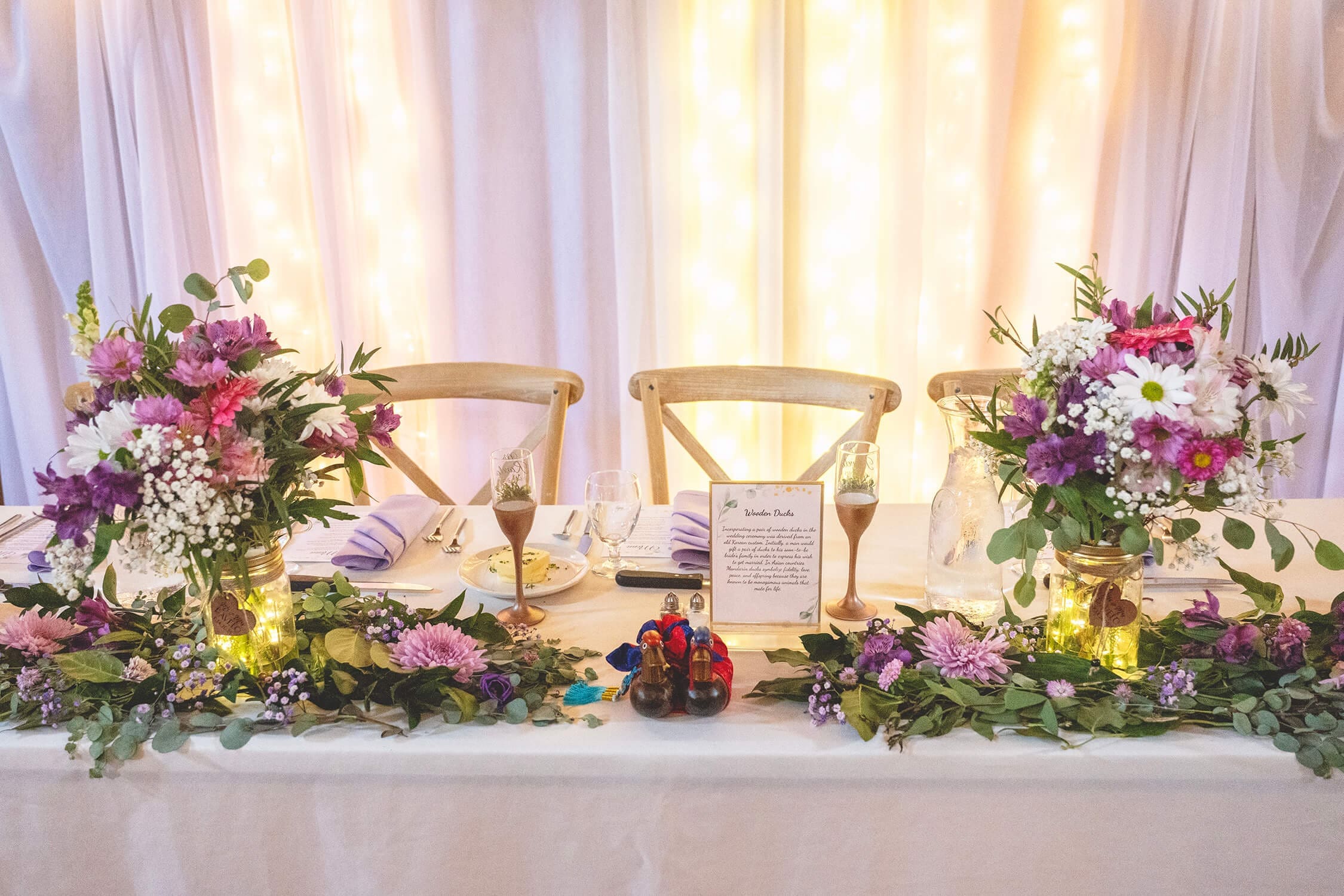
- Floral and décor: ~10%
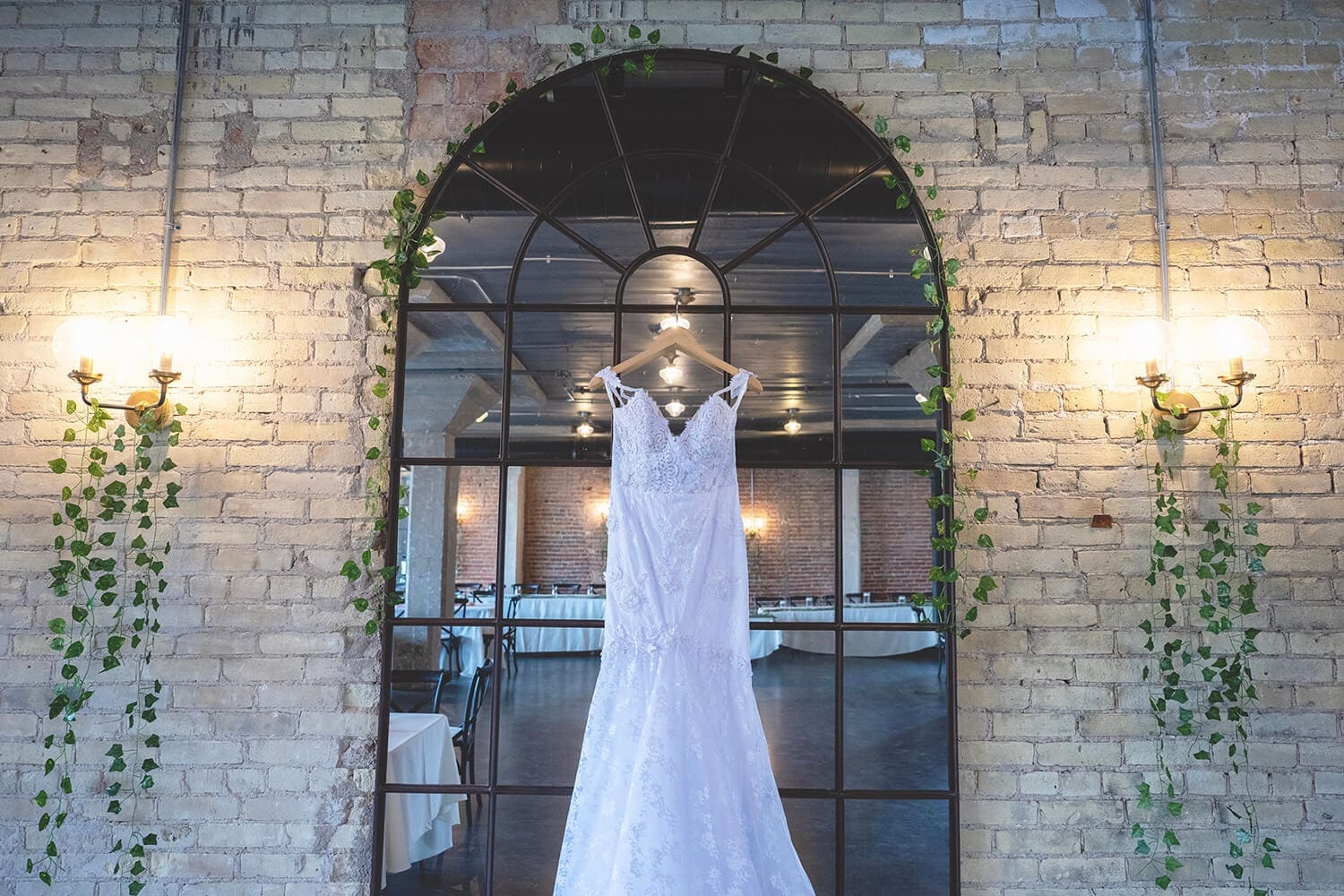
- Attire (dress, tux, hair, makeup): ~9%
- Ceremony (venue, officiant, license, music): ~3%
- Rings and insurance: ~2%
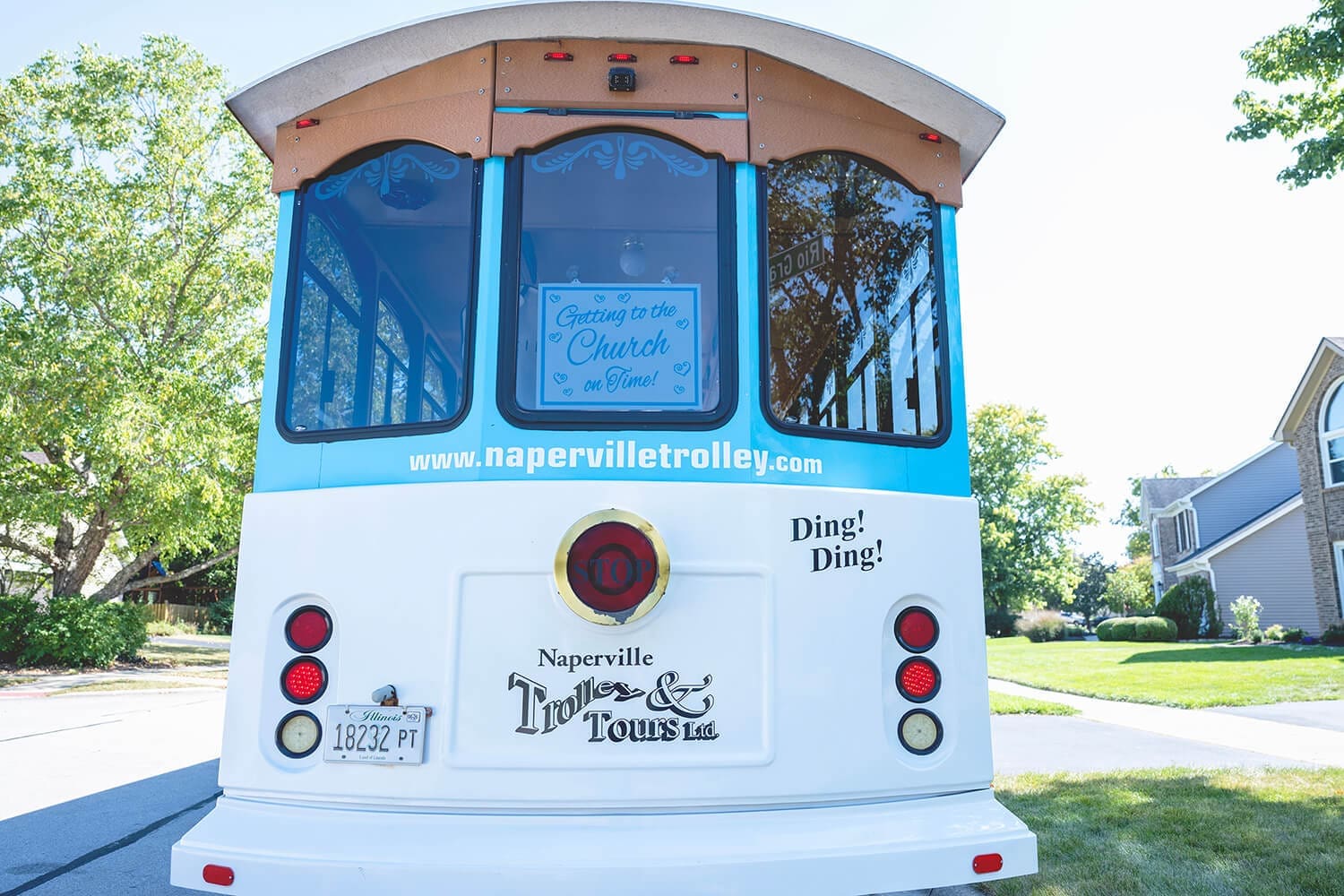
- Transportation: ~2%
The Cost Reality Check
These percentages are averages. Your actual numbers will shift based on your priorities. If photography is everything to you, that 15% might jump to 20%. If you’re skipping the DJ for a playlist, entertainment drops. Know the averages — then make them yours.
How to Research Costs in Your Specific Region
Y’all, this step is non-negotiable. Costs vary wildly depending on where you live. A wedding in rural Illinois looks nothing like a wedding in Chicago. Or New York. Or Nashville.
Before you land on a final number, do your homework locally. Here’s how:
- Ask around. Talk to recently married friends. What did they actually spend? Where did they go over budget? This firsthand info is gold.
- Contact vendors directly. Reach out to a few local venues, photographers, and caterers for ballpark pricing. You’ll quickly learn what’s realistic in your market.
- Check local wedding directories. Sites like The Knot and Zola often filter vendor pricing by region.
- Attend a local bridal show. You’ll walk away with real pricing and a much clearer picture of the local market.
Don’t let sticker shock hit you mid-planning. Research early. Build your realistic wedding budget around actual local numbers.
Having the Money Talk with Your Partner (Without the Awkward Silence)
Let’s be real. Talking about money with your partner — especially early in engagement — can feel weird. But it doesn’t have to be a big dramatic sit-down. Think of it as a quick alignment conversation.
Here are a few questions to get the ball rolling:
- Is there a specific budget you’d feel comfortable sticking to?
- What’s the one thing you absolutely want at this wedding, no matter what?
- Are there things you genuinely don’t care about that we could spend less on?
- How do you feel about going into debt for the wedding?
That last one is important. Some couples are fine financing part of their wedding. Others want to pay cash only. Neither is wrong — but you both need to agree before you start spending.
Involve Your Partner Early
Even if one of you is more into planning than the other, both of you should feel heard when it comes to money. A realistic wedding budget you both agree on prevents resentment later. It’s that simple.
Asking Family for Contributions: A Gracious Framework
Maybe your parents want to help. Maybe your future in-laws offered something. Either way, family contributions can be a wonderful gift — or a source of major stress. How you handle the conversation matters.
- Wait for the offer. Don’t initiate. Let family members bring it up first.
- Be specific when asked. Give a concrete answer like “We’re working on covering catering — any contribution toward that would mean everything.”
- Set clear expectations upfront. If someone contributes money, do they expect input on decisions? Get this clarity before accepting.
- Express genuine gratitude. A handwritten thank-you note goes a long way.
Add any confirmed family contributions to your total budget number before you start planning. This gives you an accurate picture of what you’re actually working with.
How to Land on Your Total Budget Number
Alright. Here’s where it gets real. You’ve done your research. You’ve talked to your partner. You know what family might contribute. Now it’s time to lock in an actual number.
Follow this simple process:
- Add up all confirmed funds. Personal savings dedicated to the wedding, plus confirmed family contributions. Confirmed only — not hoped-for savings.
- Decide on financing (or not). If you’re open to using a credit card or personal loan, decide on a firm maximum. Don’t leave this open-ended.
- Total it up. Savings + contributions + any planned financing = your total budget. Write it down. This is your number.
- Go slightly conservative. Whatever number you land on, mentally budget for spending 5–10% less. This creates breathing room for surprises.
Write Down Your Top Three Priorities
Before you allocate anything, write down the three things that matter most on your wedding day. A jaw-dropping venue? The photographer of your dreams? Epic entertainment? These priorities tell you where to put the most money. Everything else gets the remaining budget.
The Contingency Fund: Don’t Skip This, Seriously
Y’all. I cannot stress this enough. Build a contingency fund into your realistic wedding budget from day one. Not as an afterthought. Not once you’re almost done planning. Right now. At the beginning.
Things will cost more than you expect. A vendor will raise their prices. You’ll fall in love with an upgrade you didn’t plan for. A family member will RSVP unexpectedly, and you’ll need more catering. Something will happen. It always does.
How much should you set aside? A solid rule of thumb is 5–10% of your total budget. On a $30,000 wedding, that’s $1,500–$3,000 sitting in reserve. Don’t touch it unless you truly need it. If you make it to the end of planning without spending it, congratulations — that’s your honeymoon upgrade fund.
Skipping the contingency fund is one of the most common and most painful mistakes couples make. Don’t be that couple.
What Comes Next: Allocating Your Budget Across Categories
You’ve got your total number. You’ve got your contingency fund set aside. Now the fun begins — allocating your realistic wedding budget across every category you’ll need to cover.
- Start with your top three priorities. Assign a larger chunk to these first. If photography is everything, lock in a number for that early.
- Work through the big-ticket items next. Venue, catering, and entertainment typically eat up the largest portions. These are your first vendor calls.
- Fill in the mid-tier categories. Florals, attire, hair, makeup, transportation — these come next.
- Don’t forget the easy-to-miss costs. Marriage license, invitation postage, vendor gratuities, dress alterations. These small line items add up faster than you think.
- Track everything as you go. Use a wedding planning app or a simple spreadsheet. Check your budget tracker regularly. If you go over in one area, find ways to save somewhere else.
You’ve Got This
Setting a realistic wedding budget isn’t the most glamorous part of planning your big day. But it is the most important. Every beautiful detail you’re dreaming about — the venue, the flowers, the photos you’ll keep forever — all of it becomes possible when you start with a real number and a solid plan.
Do the hard work now. Future you, dancing at your reception without a single financial regret, will be so glad you did.




+ show Comments
- Hide Comments
add a comment