


Most wedding budget conversations begin in the same place: a total number and a list of vendors to fill it. That approach works, technically. But it often produces a budget that feels like a series of compromises rather than a set of intentional choices. The reason is simple: the numbers were assigned before the priorities were clear. A more useful starting point is the question that precedes any spreadsheet: what is this budget supposed to create? When couples answer that honestly — and together — the financial decisions that follow become considerably more manageable.
Start With Values, Not Numbers
Before assigning dollar amounts to any vendor category, the most useful thing a couple can do is make a short list of the three to five things that will most shape the experience they’re trying to create. These might be: the quality of the food, the energy of the dance floor, the ability to be present with guests rather than running through photos, the significance of the ceremony itself.
Whatever those priorities are, they become the foundation of the budget. The categories that directly serve those priorities get funded first, at the level required to serve them well. The categories that don’t connect to those priorities are funded with what remains — or not funded at all.
A budget built from priorities feels like a plan. A budget built from equal distribution across all categories tends to feel like rationing.
High Cost vs. High Impact: Understanding the Difference
One of the most practically useful shifts in wedding budget thinking is understanding that cost and impact are not the same thing. Some high-cost items have significant impact on the experience of the day. Many do not.
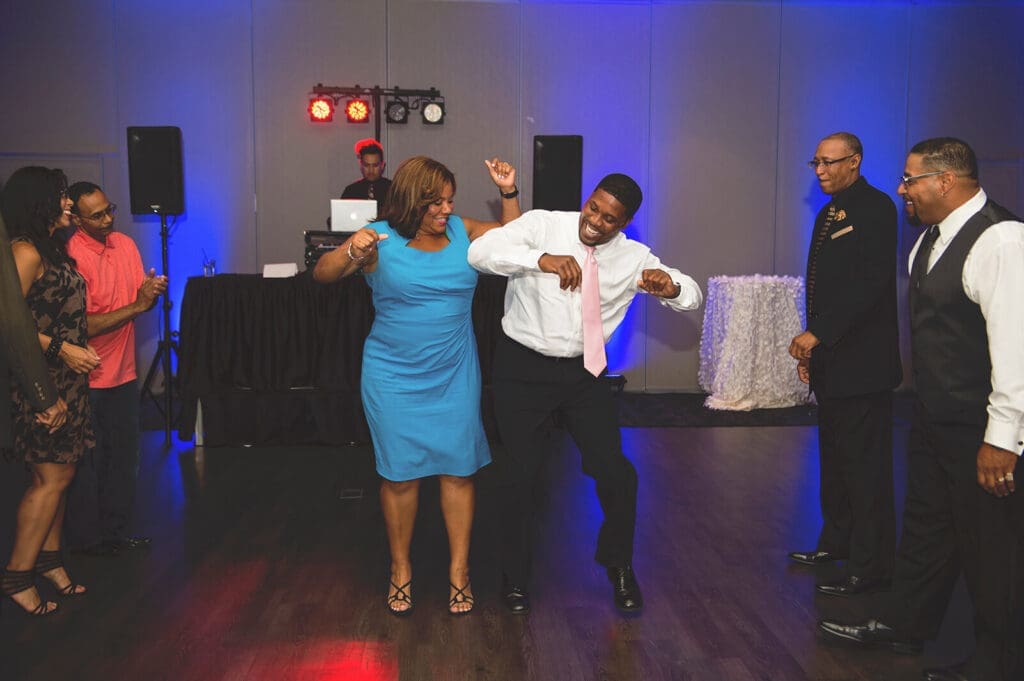
Things that tend to have outsized impact relative to their cost: the quality and timing of food service, the energy and skill of the DJ or band, the comfort and flow of the ceremony space, the thoughtfulness of guest hospitality at transitions.
Things that often cost significantly but have less direct impact on how guests experience the day: elaborate floral design beyond the ceremony focal points, premium paper products, custom favors, high-end chair coverings and linens.
Neither category is wrong to invest in — if the aesthetic elements are genuinely important to your wedding objective, they are worth the investment. But understanding which items are driving experience versus aesthetics helps couples make allocation decisions with clarity rather than assumption.
The Partner Conversation That Changes Budget Planning
Budget planning is easier and more productive when it begins with a shared understanding of what the money is supposed to create.
The questions worth asking together, before any numbers are assigned:
- What is the single thing we most want guests to feel at our wedding?
- What is the single thing we most want to feel ourselves?
- What would feel like a genuine waste of money — something we spent on that didn’t matter?
- What are we not willing to compromise on?
- Where are we genuinely flexible?
These questions tend to surface both alignment and difference. Alignment is easy to work with. Difference is also workable — as long as it’s discovered before the vendor contracts are signed rather than after.
Smart Trade-offs: Where to Scale Back Without It Showing
Every wedding budget involves trade-offs. The question is whether those trade-offs are made intentionally or by default.
Areas where scaling back typically does not significantly affect the guest or couple experience:
- Paper goods: simple, well-designed menus and programs are just as functional as elaborate custom ones
- Chair covers and premium linens: most guests genuinely do not notice these in the way that budget would suggest
- Favors: guests frequently leave them, or appreciate them briefly and forget them; the budget often serves the couple better elsewhere
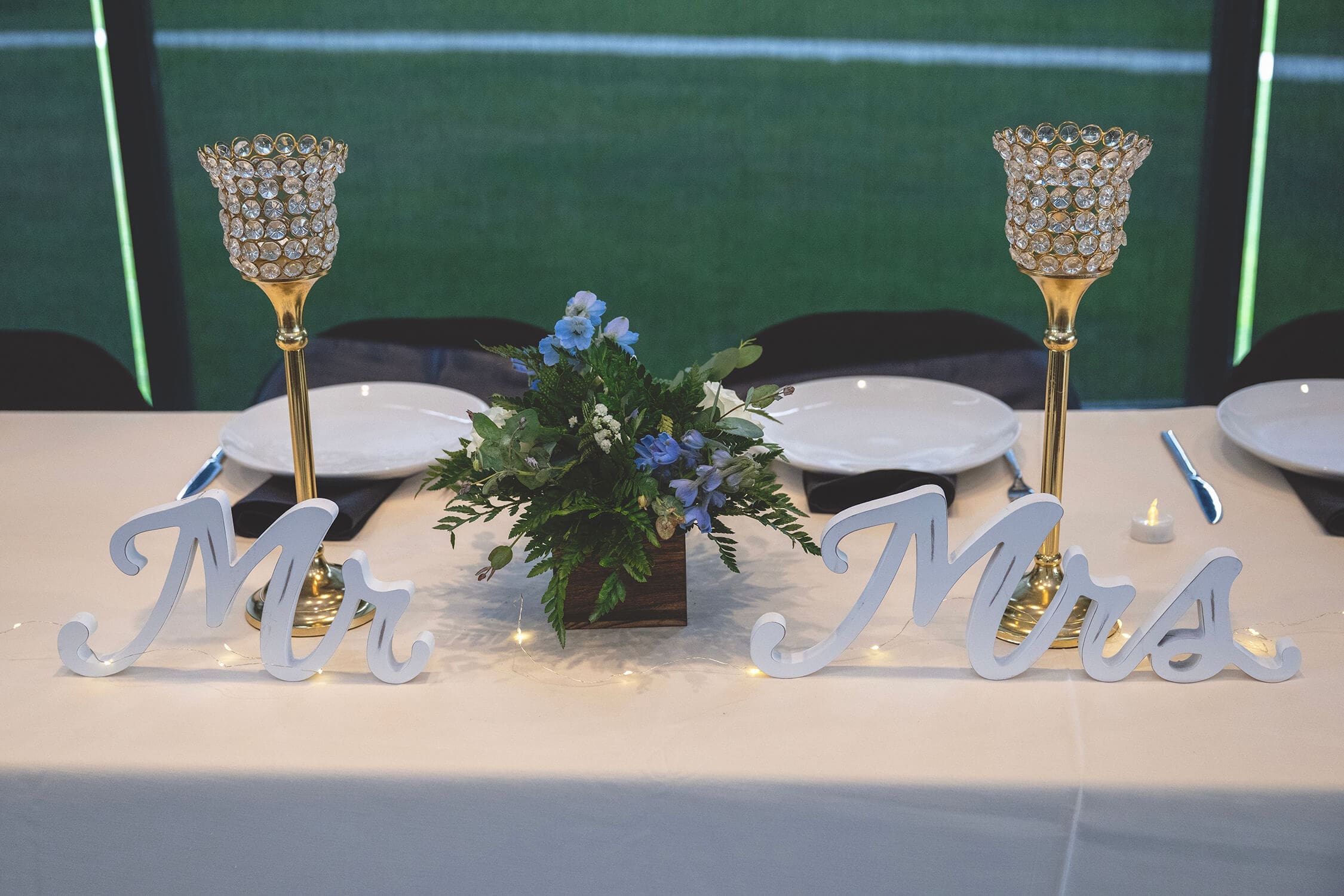
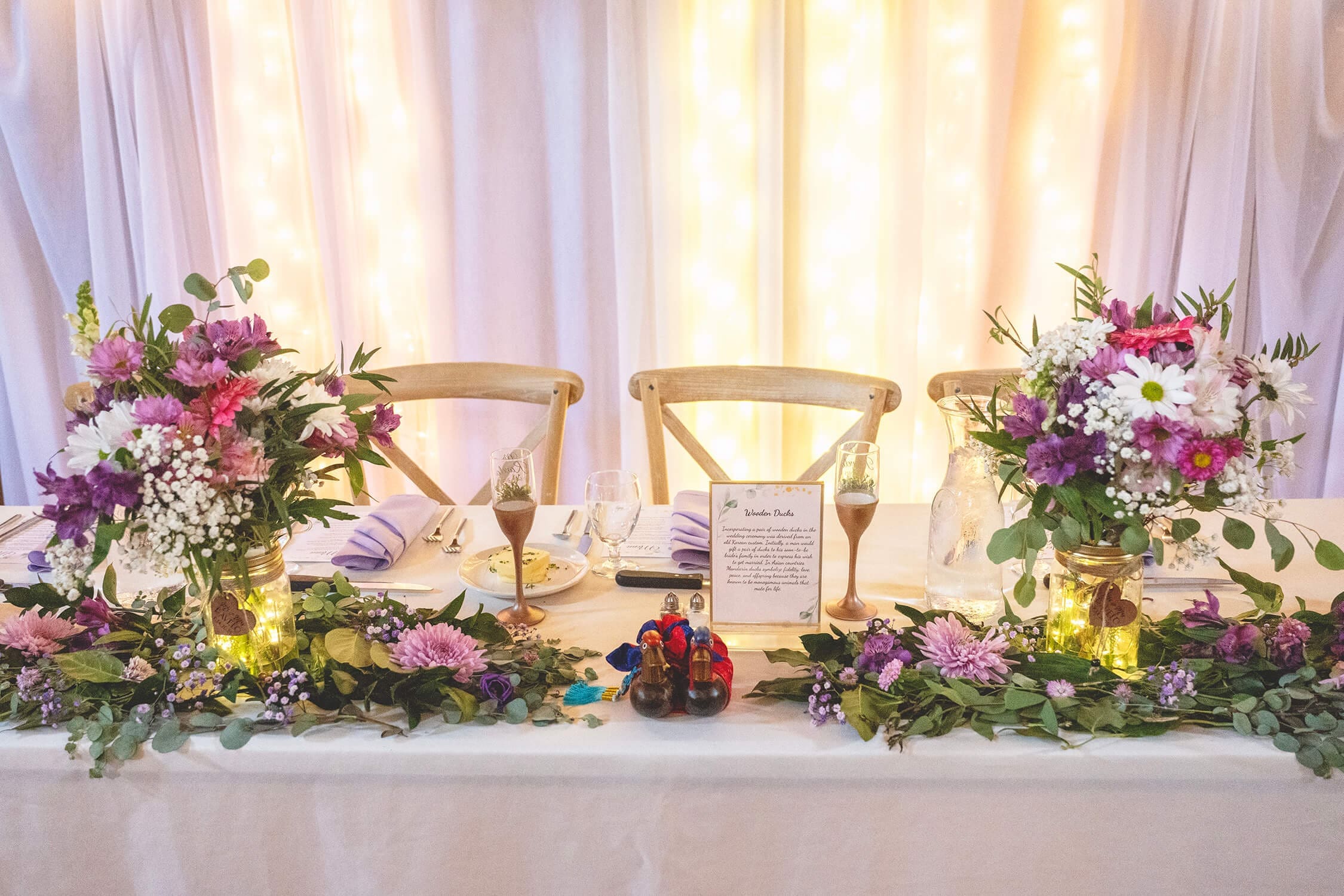
- Elaborate centerpieces: simple, well-done floral arrangements at a lower price point are often just as visually effective
Areas where scaling back tends to be clearly felt by everyone in the room:
- Food quality and service timing — guests notice both immediately
- Music and entertainment — the energy of the reception lives or dies here
- Ceremony comfort — heat, awkward seating, poor acoustics all affect how guests experience the core of the day
- Timeline planning — a well-planned, smooth-flowing day is always worth the investment in a good coordinator or detailed planning
When Budget Decisions Feel Like Loss
There is a particular emotional quality to wedding budget decisions that feel like compromises — like the dream version of something was traded away for the affordable version. That feeling is real and worth acknowledging.
But there is also a different quality to budget decisions that come from clarity — where something is released not because you had to, but because you decided it didn’t serve what you were actually building.
The second kind of decision almost never produces regret. The first kind sometimes does.
Getting clear on your wedding objective — what the day is actually for, what experience you’re building — is what makes it possible to make the second kind of decision consistently. When you know what you’re working toward, the things that don’t serve it are easier to let go.
A Practical Budget Framework
A workable wedding budget framework, starting from priorities:
- Identify your top three to five priorities — the things that will most directly shape the experience
- Assign those categories budget first, at a level that actually serves them well
- Assign secondary categories with the remaining budget
- Review each category against the question: is this serving our wedding objective?
- Release or scale back what doesn’t answer that question clearly
This approach won’t produce a perfect budget on the first pass. But it will produce one that is grounded in intention rather than default allocation — and that tends to hold up better when decisions need to be revisited.



+ show Comments
- Hide Comments
add a comment