
The venue is booked. The vendors are confirmed. But the ceremony? It’s often the last thing couples plan. Planning your wedding together is more than the vibe.
The ceremony is the entire reason for the day. It’s the moment two people make a public promise in front of everyone they love. Planning your wedding together — especially the ceremony — deserves real time, real thought, and real honesty.
This guide walks you through every key decision: religious and cultural traditions, the first look, and writing vows that actually sound like you.
During Planning Your Wedding – the Ceremony Deserves Your Full Attention
Ask any married couple what they remember most. Almost always, it’s the ceremony.
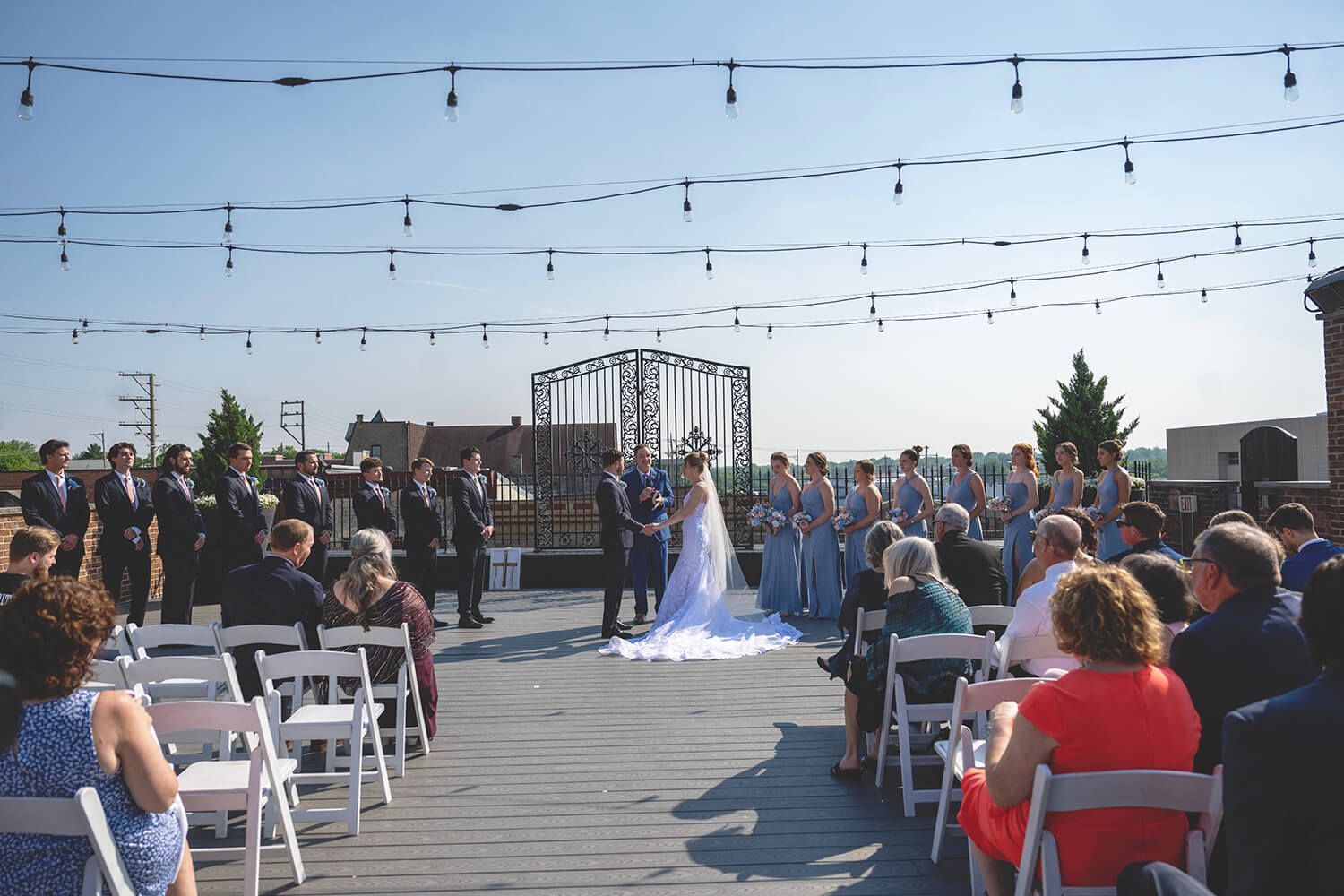
Not the flowers. Not the food. The moment they saw each other at the altar. The words spoken out loud. The silence that followed something true.
Those memories don’t happen by accident. They come from a ceremony that was planned carefully — where the words had weight, the pacing allowed emotion to land, and both partners were fully present.
Planning your wedding together means both of you show up in the ceremony. When only one partner shapes it, the room notices. The couple notices too.
The ceremony is not the warm-up to the reception. It is the point of everything.
Religious and Cultural Traditions: Ask, Don’t Assume
Religion and culture shape ceremony expectations in deep ways. These run deeper than surface-level preferences.
A partner who doesn’t practice a religion may still want a ceremony that feels spiritually grounded. A partner from a strong cultural background may feel torn about certain traditions. Neither is wrong. Both deserve a voice.
These aren’t assumptions to make. They’re conversations to have. Here’s what to ask each other:
Key Questions to Discuss Together
- Should the ceremony include religious or spiritual elements?
- What role should each family’s cultural traditions play?
- What would a purely secular ceremony feel like to each of you?
- Which traditions feel meaningful — and which feel like obligations?
The answers won’t always be simple. But having them gives you what you need to build a ceremony that truly belongs to both of you.

A Simple Framework for Choosing Which Traditions to Keep
Every couple inherits traditions. Some feel meaningful. Some feel like pressure. Some have never been examined at all.
Use these four questions to sort through them together:
- Does this tradition carry genuine meaning for us — not just for others?
- Would skipping it feel like a loss, or like a relief?
- Does it add meaning, or just complexity?
- Would we include it if nobody else had an opinion?
Some traditions land in complicated territory. Meaningful to one partner but not the other. Important in concept but awkward in practice. For those, ask whether a modification could preserve the heart of it while making it genuinely yours.
The First Look Decision: What Really Changes
Few decisions get more debate in wedding planning. Yet the real question is simple:
What kind of moment do you want when you see each other for the first time on your wedding day?
No First Look: The Aisle Reveal
The tradition of not seeing each other before the ceremony delivers something real. The anticipation builds. The aisle moment is shared with every guest in the room. Many couples find it irreplaceable.
The First Look: A Private Moment Before It All Begins
A private first look offers something different. You get a quiet, intimate moment together before the ceremony starts. Photos wrap up earlier. You can actually enjoy the cocktail hour.
Neither choice produces a better wedding. Both have real advantages and real trade-offs. The decision belongs to the couple — not to Pinterest or a photographer’s preference.
Talk it through honestly. Don’t let one partner defer without sharing their real preference. This is a decision that deserves both voices.
Writing Vows While Planning Your Wedding Together
Vows are the most personal part of the entire ceremony. Start the conversation early — not the night before, but weeks ahead.
The choice isn’t simply traditional or personal. The real question is: which form fits each of you?
Traditional Vows
Traditional vows carry centuries of weight. These are words spoken at countless ceremonies before yours. They connect your marriage to a long line of commitments made before witnesses. That shared language can feel powerful.
Personal Vows
Personal vows carry a different kind of power. They hold the specific texture of your relationship — written in the exact language of two people who know it best.
Either can be profound. Either can fall flat. The question is which feels most true to who you are together.

Build a Ceremony That Sounds Like Both of You
The ceremonies guests remember longest are unmistakably personal. Not a template. Not the ceremony someone assumed they were supposed to have.
They reflect the specific couple — how they met, how they love, what they’re promising.
Building that kind of ceremony requires both partners to be genuinely involved. Ask each other what you want guests to feel. Ask what you want to remember when the day is over.
Planning your wedding together — really together — is what makes a ceremony feel like yours.
Start the Conversations While Planning Your Wedding Together That Matter Most
Here’s a quick recap of what to discuss:
- Religious and cultural elements — what feels meaningful vs. obligatory
- Which traditions to keep, adapt, or release
- First look or aisle reveal — what moment do you want?
- Vows — traditional, personal, or a blend of both?
These conversations don’t take long. But they make all the difference.
Planning your wedding together isn’t just about dividing tasks. It’s about building something that genuinely belongs to both of you — starting with the ceremony.


Leave a Reply