


When couples are deep in the planning process, guest experience is often the thing that gets discussed in terms of entertainment and atmosphere — the DJ, the décor, the cocktail hour spread. And those things matter. But before we get to any of that, there is a more fundamental question worth addressing: are your guests simply comfortable? Not impressed, not entertained — comfortable. Do they know where to go? Are they physically at ease? Are they being fed on a reasonable timeline? Are they welcomed in a way that makes them feel genuinely cared for? These are the foundation of guest experience. Everything else builds from them.
What ‘Guest Experience’ Actually Means
The phrase ‘guest experience’ gets used often in wedding planning, and it tends to conjure images of elaborate cocktail hour displays and custom welcome bags. Those things are lovely when the budget allows. But at its core, guest experience is simply this: how do the people you invited feel while they are at your wedding?
Comfortable. Welcomed. Cared for. Not confused, not overheated, not hungry, not standing around unsure of where to be. The foundation of a great guest experience is almost entirely logistical — and getting the logistics right costs very little beyond attention.
The Outdoor Ceremony Problem No One Warns You About
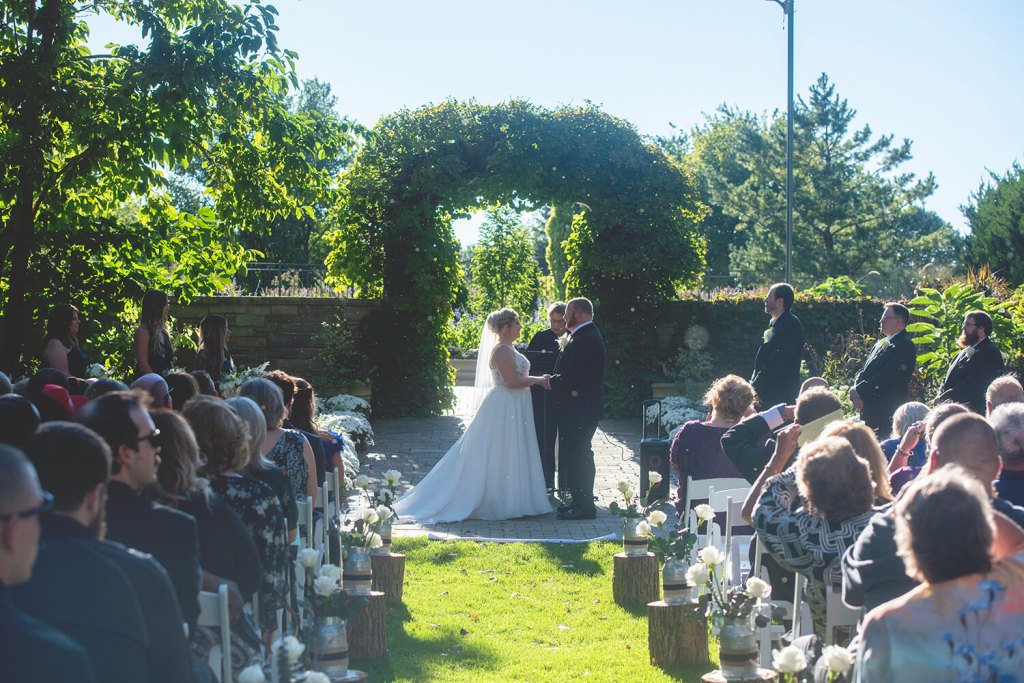
Outdoor ceremonies are among the most beautiful settings in all of wedding photography. They are also, in the summer months, among the most challenging for guest comfort.
Consider the full timeline: guests arrive and take their seats, typically 20 to 30 minutes before the ceremony begins. The ceremony itself runs 20 to 40 minutes. If there’s no shade available, guests in August or July heat have just spent close to an hour in direct sun — before the cocktail hour even begins.
This doesn’t ruin a wedding. Guests who love you will endure a great deal. But it does shape how they experience the rest of the day, how much energy they have, and whether they spend the cocktail hour genuinely celebrating or quietly recovering.
- Provide shade wherever possible — umbrellas, tent canopies, or natural shade at the venue
- Consider a start time that avoids peak afternoon heat
- Have water available for guests before and during the ceremony
- Offer fans or programs that double as fans for seated guests
- Keep the outdoor portion as efficient as possible if heat is a factor
The Gap Between Ceremony and Reception
There is a stretch of nearly every traditional wedding timeline that couples tend to underplan: the period between the end of the ceremony and the beginning of the reception. If you are following the tradition of not doing a first look, this gap often extends to an hour or more, as you and your partner take formal photos while guests make their way to the reception venue.
From the guest’s perspective, this gap can feel long without something to anchor it. A well-planned cocktail hour gives guests a destination, food and drinks, and a social atmosphere to carry them through the wait. When the cocktail hour is skipped or poorly planned, guests can feel stranded.
The question to ask yourself is not ‘will guests be patient enough to wait?’ It’s ‘have we given them something worth showing up for while they do?’
A well-stocked cocktail hour — with enough seating, enough food, and ideally some form of entertainment or activity — handles this stretch beautifully. It doesn’t have to be elaborate. It just has to be thoughtfully planned.
Food as Hospitality
There is a reason that food is central to nearly every cultural tradition of celebration: feeding people is one of the most fundamental expressions of care. At a wedding, the quality, timing, and thoughtfulness of the food communicates something to every guest in the room.
Timely food service — meaning guests are not waiting more than about 90 minutes after arriving before they have something substantial to eat — is one of the clearest indicators of a well-planned event. Guests who are hungry become restless and less present. Guests who are well fed settle into the celebration.
You do not need an elaborate multi-course dinner to feed guests well. You need an honest assessment of how many people you are feeding, when they will need to eat, and what service format makes that timeline work. Whether it’s plated, buffet, or family style, the goal is the same: guests feel genuinely taken care of.
Planning for the Real People in the Room
One of the most useful shifts in wedding planning is moving from thinking about ‘guests’ as an abstract group to thinking about the actual individuals you have invited. Because those individuals have real needs, and those needs shape your planning decisions in concrete ways.
The grandparent who uses a cane will need accessible seating and a path that doesn’t require navigating uneven ground. The couple with a toddler may appreciate knowing there’s a quiet space available. The friend who is attending solo and doesn’t know many people in the room will feel the difference between thoughtful seating and being placed at the table that didn’t fit anywhere else.
These are not extraordinary accommodations. They are the small gestures of genuine hospitality — the ones that communicate that you thought about the specific people you invited, not just the number of seats you needed to fill.
The Relationship Between Budget and Guest Experience
Guest experience decisions are inevitably shaped by budget — and that is entirely normal. The question is not whether budget limits what you can offer, but which guest experience elements are most important to you given the resources available.
Some things have an outsized impact on how guests experience the day — food quality and timing, ceremony comfort, and clear communication about logistics — and are worth protecting in the budget even when other things get trimmed.
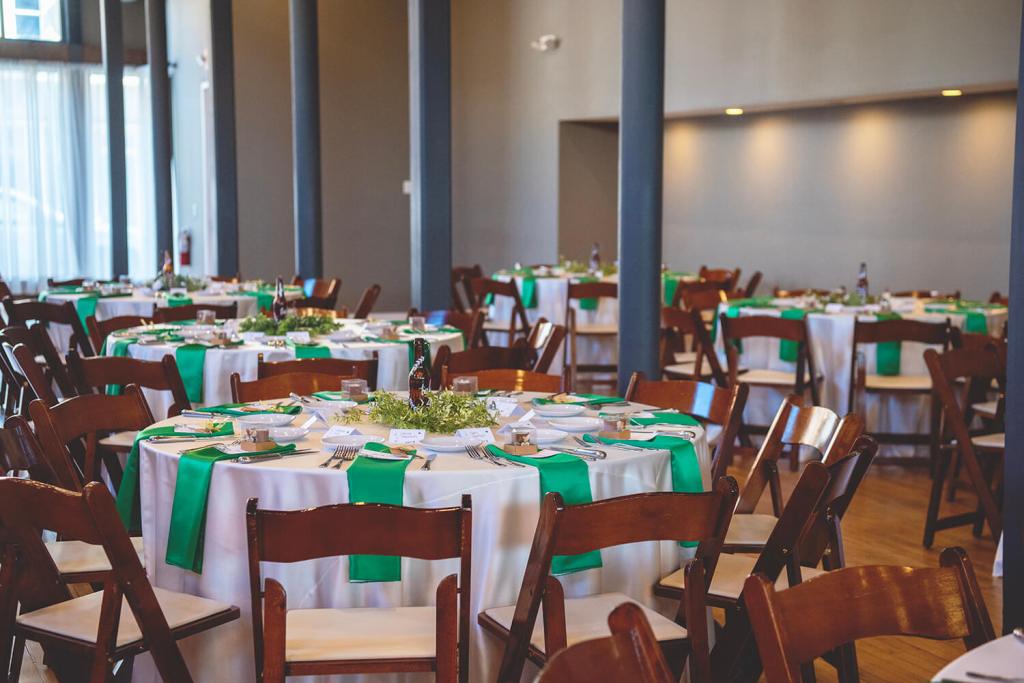
Other things have less impact than couples often assume — elaborate centerpieces, custom favors, premium linens — and can be simplified without meaningfully changing how guests experience the day.
Guests will always remember how they felt. They will not always remember what the table looked like.
Knowing which elements most directly shape the feeling of the day helps you allocate budget in ways that actually serve the guest experience you’re trying to create.
A Simple Framework for Guest Experience Planning
As you move through vendor selections and timeline planning, it helps to run each major decision through a simple framework: how does this affect the guests in the room?
- Will guests know where to be and when?
- Will guests be physically comfortable throughout the day?
- Will guests be fed on a reasonable timeline?
- Will guests feel genuinely welcomed and cared for?
- Is there a plan for the parts of the day where guests are waiting or transitioning?
These questions won’t answer every planning decision. But they will surface the guest experience considerations that are easy to overlook when you’re focused on aesthetics and logistics.



 Weddings by Holly Lou
Leave a comment